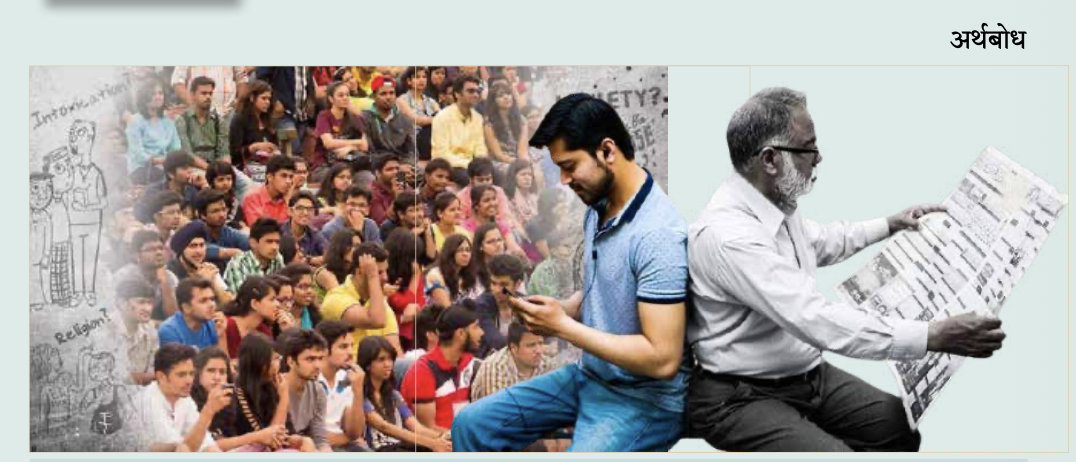
काही दिवसांपूर्वी मी आणि माझे काही विद्यार्थी पिढ्यांमधल्या अंतराविषयी बोलत होतो. नेमका विषय कुठून सुरू झाला हे आता आठवत नाही, पण बोलता बोलता एक नेहमीचा प्रश्न समोर आला. प्रत्येक पिढीला आपल्या पुढची पिढी थोडी कमी कणखर, कमी सहनशील, जास्त अस्थिर किंवा जास्त अपेक्षा ठेवणारी का वाटते? “आमच्या काळात एवढं नव्हतं”, “आम्ही एवढ्या अडचणीतही केलं”, “आजच्या मुलांना सगळं सहज मिळतं”, “एका नोकरीत टिकत नाहीत”, “ नव्या पिढीला धीर नाही”, “सगळ्यांना लगेच समाधान हवं”. ही वाक्यं आपल्या आसपास सतत फिरत असतात. आणि अर्थातच आमच्या पिढीचीही उत्तरं तयार असतात. “तुम्हाला आमचं जग समजत नाही”, “तुमच्या काळातली स्थिरता आणि सुरक्षितता आता नाही”, “तुम्ही ज्या नियमांनी जगलात ते नियम आता लागूच होत नाहीत.” गंमत अशी की दोन्ही बाजू स्वतःच्या अनुभवाला प्रमाण मानत असतात. प्रत्येकाला आपला अनुभव इतका स्वाभाविक वाटतो की दुसऱ्याचा अनुभव अपवाद वाटू लागतो. त्या संभाषणात मला पहिल्यांदा फार साध्या पद्धतीने हा प्रश्न जाणवला की आपण अनुभवाला नेमकं काय स्थान देतो? आपण अनुभवातून शिकतो हे खरं पण आपला अनुभव कोणत्या जगात, अवकाशात, काळात घडला, हे न समजता आपण त्यातून मिळालेलं ज्ञान दुसऱ्यावर लादू शकतो का?
माझा जन्म १९९३चा. म्हणजे भारताच्या अर्थव्यवस्थेने १९९१नंतर घेतलेल्या वळणाचा मी प्रत्यक्ष साक्षीदार नसलो तरी त्याचे परिणाम भोगणार सहभागी नक्कीच आहे. आणि म्हणून मला त्या बदलांविषयी नंतर वाचावं लागलं. पण माझं बालपण, शिक्षण, करिअरची कल्पना, शहरांविषयीचं आकर्षण, नोकरीविषयीची असुरक्षितता, परदेशात जाण्याची इच्छा, स्पर्धा, संगणक, मोबाईल, आणि इंटरनेट हे सगळं त्या बदलांनी आधीच आकार घेत असलेल्या जगात घडलं. माझ्या आई-वडिलांच्या पिढीसाठी एक्याण्णवनंतर ज्या गोष्टी “नवीन” म्हणून पुढे आल्या, त्यापैकी अनेक माझ्यासाठी जन्मतःच सामान्य होत्या. त्यांच्या पिढीच्या कल्पनेत कायम-स्वरूपाची नोकरी, पगारात नियमित वाढ, एकाच संस्थेत दीर्घकाळ टिकून राहणं, काही वर्षांनी स्वतःचं घर घेणं, मुलांनी शिक्षण पूर्ण करून “स्थिरस्थावर” होणं यांना एक विशिष्ट सामाजिक वास्तव आधार देत होतं. आजही त्या अपेक्षा मोठ्या प्रमाणावर टिकून आहेत, पण त्यांना आधार देणारं जग बदललं आहे. शिक्षण वारेमाप फोफावत गेलं, पण त्यातून नोकरीची हमी निर्माण झालीच असं नाही. शहरं फोफावली, पण घर परवडणं कठीण झालं. तंत्रज्ञानाने वेळ वाचवला असं सांगितलं गेलं, पण काम आणि उरलेलं आयुष्य यांच्यातील सीमाच धूसर झाली. निवडी वाढल्या, पण त्याच वेळी सतत तुलना, स्वतःचं कर्तुत्व मोजणारी मापदंडे आणि स्वतःला सिद्ध करण्याची सक्तीही वाढली. म्हणूनच मला पिढ्यांमधला संघर्ष वैयक्तिक स्वभाव-संघर्षासारखा वाटत नाही. तो अनेकदा वेगवेगळ्या भौतिक जगांतून आलेल्या अनुभवांचा संघर्ष असतो असे मत बनत गेले. कारण माझ्या तत्त्वज्ञानाचा पाया हा माझ्या व भोवतालच्या लोकांच्या दैनंदिन भौतिक संघर्षातून घडत गेला.
इथे मला “आमच्या काळात…” या वाक्यात दडलेलं गृहीतक महत्त्वाचं वाटतं. ते असं की कालचा काळ आणि आजचा काळ मोजण्यासाठी एकच पट्टी वापरता येते. एखादी तरुणी वारंवार नोकरी बदलत असेल तर तिला स्थैर्य नको आहे म्हणून ती तसं करते आहे का, की तिच्यासमोर उपलब्ध असलेल्या नोकऱ्याच अस्थिर आहेत? एखादी व्यक्ती तीस-पस्तिसाव्या वर्षीही स्वतःचं घर घेऊ शकत नसेल किंवा भाडेही परवडत नसेल तर तिच्यात महत्त्वाकांक्षा कमी आहे म्हणून, की उत्पन्न आणि घरांच्या किमती यांचं प्रमाणच बदललं आहे? सतत थकलेले शरीर व मन घेऊन हिंडणारे, अस्वस्थ किंवा भविष्यासंदर्भात साशंक असलेले तरुण “कमी सहनशील” आहेत म्हणून, की त्यांच्या आयुष्याचा मोठा भाग अनिश्चित रोजगार, महाग शिक्षण, वाढती शहरी किंमत, कर्ज, स्थलांतर आणि प्रत्येक क्षणी स्वतःला अधिक ‘उत्पादक/कार्यक्षम’ करून दाखवण्याच्या दबावात जातात म्हणून? हे प्रश्न विचारण्याचा अर्थ प्रत्येक वैयक्तिक समस्येचा दोष व्यवस्थेवर ढकलणे असा नाही. उलट, प्रश्न एवढाच आहे की व्यक्तीच्या निवडींना, इच्छांना आणि अपयशांना आकार देणाऱ्या परिस्थितींना आपण विश्लेषणातून बाहेर ठेवू शकतो का? दुःखाची तुलना करण्यापेक्षा दुःख निर्माण करणाऱ्या परिस्थितींची तुलना करणं अधिक उपयोगाचं असावं.
यातून मला आणखी एक गोष्ट जाणवते. कोणत्याही पिढीचं “सामान्य” हे कायमचं सामान्य नसतं. एका पिढीला जो बदल वाटतो, पुढच्या पिढीला तोच बदल जन्मतःच मिळालेली परिस्थिती वाटतो. उदाहरणार्थ, आमच्या आधीच्या पिढीने उदारीकरण, खासगीकरण, माहिती तंत्रज्ञान, बाजाराचा वाढता हस्तक्षेप हे बदल म्हणून अनुभवले. आमच्या पिढीने त्यांच्यातच स्वतःला घडवलं. आता आमच्यापेक्षा लहान पिढीसाठी सोशल मीडिया, प्लॅटफॉर्म अर्थव्यवस्था, कृत्रिम बुद्धिमत्ता, वर्क-फ्रॉम-होम, सतत डिजिटली एक्टिव असणं किंवा एका शहरात राहून दुसऱ्या देशातील संस्थेसाठी काम करणं यात काहीच विलक्षण नसेल. या प्रत्येक बदलासोबत नाती, आकांक्षा, कामाविषयीची कल्पना, वेळेची जाण, स्वतःविषयीची अपेक्षा यांचाही अर्थ बदलतो. म्हणून पिढीचा प्रश्न केवळ वयाचा प्रश्न राहत नाही. तो अलगत इतिहासाचा प्रश्न बनतो. आपण कोणत्या काळात जन्मलो, कोणत्या संस्थांनी आपल्याला घडवलं, कोणत्या बाजारव्यवस्थेत काम केलं, कोणत्या तंत्रज्ञानाशी आपली पहिली ओळख झाली, कोणत्या प्रकारच्या असुरक्षिततेला आपण सामान्य मानायला शिकलो. या सगळ्यांतून आपली अनुभवाची चौकट तयार होत जाते.
म्हणूनच मला अनुभवाविषयीची पहिली शंका इथेच येते. अनुभव खरा असतो, पण तो स्वतःच स्वतःचा अर्थ सांगतो का? एखाद्या पिढीने अधिक कष्ट केले असतील, पण त्या कष्टांचा अर्थ काय होता, त्यातून कोणत्या संधी उघडत होत्या, कोणत्या बंद होत होत्या, हे न समजता केवळ “आम्ही सहन केलं” एवढ्यावरून पुढच्या पिढीचं मोजमाप करता येईल का? आणि उलट, आमच्या पिढीला आपल्या अस्थिरतेचा अनुभव तीव्रतेने येतो म्हणून त्या अनुभवाचे कारण आपल्याला आपोआपच समजते का? कदाचित नाही. कारण अनुभव हा घटनांची साधी गोळाबेरीज नसते. तो विशिष्ट काळात, विशिष्ट सामाजिक संबंधांत, विशिष्ट जागी उभ्या असलेल्या व्यक्तीचा जगाशी असलेला संबंध आहे. म्हणूनच एका व्यक्तीचा अनुभव दुसरीला जसाच्या तसा मिळू शकत नाही. पण त्याला निर्माण करणाऱ्या जगाचा शोध घेता येतो. आणि कदाचित दुसऱ्या पिढीला समजून घेण्याची सुरुवातही तिथूनच होते. तिच्या अनुभवाशी सदैव सहमत होण्यात नसली तरी त्या अनुभवाला शक्य करणाऱ्या परिस्थितींना समजून घेण्याच्या प्रयत्नातून ती शक्यता निर्माण होते.
इथून पुढे मग प्रश्न पिढ्यांतील मतभेदांच्या पलीकडे जातो. जर अनुभव स्वतःच काळ, अवकाश, अंतर आणि सामाजिक संबंधांनी घडत असेल, तर अनुभवातून ज्ञान कसं तयार होतं? आपण पाहिलेलं, सोसलं किंवा अनुभवलं म्हणून त्या गोष्टीचं कारणही आपल्याला सहज कळतं का? की अनुभव हा ज्ञानाचा आरंभ आहे, शेवट नाही? मला हा प्रश्न महत्त्वाचा वाटतो, कारण आपल्या रोजच्या जगण्यात आपण अनुभव आणि ज्ञान यांना सहज एकच मानतो. आणि आलटून-पालटून संज्ञा वापरतो. “मी पाहिलंय”, “मी जगलोय”, “मला माहिती आहे” ही तीन विधानं आपण अनेकदा एकाच अर्थाने वापरतो. पण कदाचित त्यांच्यातच पुढच्या चर्चेचा सगळा ताण दडलेला आहे.
काळ, पिढी आणि अनुभव
अनुभव आणि ज्ञान यांच्यातला फरक मला उशिरा समजू लागला. पण तो वयपरत्वे मी पुढे सरकलो म्हणून समजू लागला असेही नाही. आयुष्यात एखादी घटना घडते, आपण तिच्यातून जातो, कधी त्रास सहन करतो, कधी त्यात यशस्वी होतो, आणि नंतर सहज म्हणतो, “मला माहीत आहे, मी अनुभवलंय.” पण खरंच एवढ्यावरून आपल्याला त्या घटनेचं ज्ञान झालेलं असतं का? एखाद्या व्यक्तीची नोकरी जाते. त्या क्षणी तिचा अनुभव अगदी खरा असतो. भीती, अपमान, राग, काळजी, पुढे काय होणार याची अनिश्चितता चिकटून पुढ्यात येते. पण त्या अनुभवाचा अर्थ ती व्यक्ती वेगवेगळ्या प्रकारे लावू शकते. “मी पुरेसा सक्षम नव्हतो”, “माझा वरिष्ठ माझ्याविरुद्ध होता”, “कंपनीने चुकीचा निर्णय घेतला”, किंवा काही काळानंतर कदाचित त्याला जाणवेल की त्याच्यासोबतच त्याच्या क्षेत्रातल्या अनेकांच्या नोकऱ्या गेल्या, कामाचं स्वरूप बदललं, कंत्राटीकरण वाढलं, एखादी तांत्रिक पुनर्रचना झाली किंवा खर्च कमी करण्यासाठी लोकांना कमी करण्यात आलं. घटना तीच असली तरी तिच्याबद्दलचं ज्ञान बदलत राहतं. त्यामुळे अनुभव खोटा नसतो, पण अनुभवाचा तात्काळ अर्थ हा त्या अनुभवाच्या कारणांचा पूर्ण उलगडा असेलच असं नाही.
ही गोष्ट आपल्या अगदी रोजच्या आयुष्यात दिसते. एखादा डिलिव्हरी कामगार म्हणतो की त्याला पूर्ण-वेळ नोकरीपेक्षा ह्या गिग-क्षेत्रात जास्त स्वातंत्र्य आहे, कारण डोक्यावर मॅनेजर नाही. तो लॉग-इन कधी करायचं हे स्वतः ठरवतो. तो अनुभव नाकारण्यात काही अर्थ नाही. पण त्याच वेळी त्याला कोणतं काम मिळेल, कोणत्या अंतरासाठी किती पैसे मिळतील, रेटिंग किती आहे, मागणी कमी-जास्त झाली तर उत्पन्नात काय होईल, वाहनाचा आणि इंधनाचा खर्च कोण उचलतो, हेही त्याच्या अनुभवाचाच भाग आहे. पहिल्या नजरेत “स्वातंत्र्य” किंवा “लवचिकता” म्हणून दिसणाऱ्या गोष्टीतून थोडं मागे सरकल्यावर नियंत्रणाचं वेगळंच रूप दिसू शकतं. घरकामाच्या क्षेत्रातही मला हे वारंवार जाणवलं. स्नॅबीट किंवा इन्स्टाहेल्प मार्फत एका घरात काम करणाऱ्या स्त्रीचा अनुभव फक्त त्या घरातल्या मालकिणीशी किंवा कुटुंबाशी असलेल्या नात्यात दिसतो. पण त्या स्त्रीचा पूर्ण दिवस, ती किती घरांत जाते, किती चालते, कोणत्या वस्तीत राहते, कोणत्या वेळी प्रवास करते, कोणत्या जातीय किंवा धार्मिक भेदांना सामोरं जाते, घरात तिच्यासाठी पाणी किंवा शौचालय उपलब्ध आहे की नाही, याकडे पाहिलं की आधी वैयक्तिक वाटणारी गोष्ट मोठ्या सामाजिक संबंधांचा भाग बनते. त्यामुळे अनुभवाची किंमत कमी होत नाही तर उलट त्याचा आशय अधिक गहन होत जातो.
कदाचित इथेच ‘फक्त अनुभव’ आणि ‘फक्त सिद्धान्त’ या दोन्हींची मर्यादा दिसते. ज्या व्यक्तीने काही अनुभवलंच नाही तिने दूर बसून एब्स्ट्रक्ट संकल्पनांच्या आधारे सगळं जाणते, असा दावा करणं सुद्धा हास्यास्पद वाटते. पण स्वतःच्या अनुभवाला जगाचं संपूर्ण ज्ञान समजणंही तितकंच अपुरं आहे. आपल्या हातातलं वास्तव नेहमी तुकड्यांत येतं. आपण एखादं संभाषण ऐकतो, अन्यायाचा प्रसंग पाहतो. स्वतः काही सोसतो, काही गमावतो, काही जिंकतो. त्या तुकड्यांना एकमेकांशी जोडून त्यामागचे सामाजिक संबंध शोधावे लागतात. कार्ल मार्क्स आणि फ्रेडरिक एंजेल्स यांनी ‘द जर्मन आइडियोलॉजी’ या ग्रंथात इतिहास समजून घेण्याची सुरुवात ‘रियल प्रीमाइसेस’ पासून करावी म्हणजेच प्रत्यक्ष व्यक्ती, त्या व्यक्ती ज्या क्रिया-प्रक्रियांत आपलं श्रम व्यस्त करत आहेत त्या आणि त्यांना ज्या निश्चित परिस्थितीत जीवन जगावं लागतं त्या परिस्थितींपासून करावी असं म्हटलं होतं. त्यांच्या दृष्टीने विचारांची निर्मिती प्रत्यक्ष जीवनापासून वेगळी होणे हे कदापीही शक्य नसते. ‘प्रॅक्टिस फ्रॉम आयडियाज’ (कल्पनेतून निर्माण होणारी कृती) समजावून घेण्याऐवजी ‘फॉर्मेशन ऑफ आयडियाज फ्रॉम रियल प्रॅक्टिस’ म्हणजेच प्रत्यक्ष कृतीतून व भौतिकपरिस्थतीतून निर्माण होणारी कृती समजून घ्यावी लागते. ही गोष्ट मला फार महत्त्वाची वाटते, कारण ती अनुभवाला केंद्रस्थानी ठेवते. पण त्याच क्षणी अनुभवाला अंतिम महत्व देत नाही. रियल प्रॅक्टिस किंवा खरी कृती ही कायम सामूहिक असते. कुठल्याही गोष्टीची किंवा कल्पनेची निर्मिती एका पोकळीत होत नाही. त्या निर्मितीला कायम एनवायरनमेंट म्हणजेच आजूबाजूच्या अवकाश-काळातून निर्माण झालेल्या परिस्थितीतूनच जन्म घ्यावा लागतो. ह्या एनवायरनमेंट मध्ये प्रत्यक्ष अनुभवातून दिसणाऱ्या सजीव-निर्जीव गोष्टी व ज्ञानेंद्रियांतून लगेच न अनुभवता येणाऱ्या गोष्टींचाही समावेश असतो.
आपण एखादी गोष्ट पाहतो, तिच्याबद्दल काही निष्कर्ष काढतो आणि मग त्या निष्कर्षानुसार काही करतो. इथूनच ज्ञानाची खरी कसोटी सुरू होते. उदाहरणार्थ, एखाद्या तरुणाला नोकरी मिळत नाही आणि आपण कारण म्हणून त्याच्या ‘कौशल्यांच्या अभावाकडे’ पाहतो. मग उपाय म्हणून आणखी प्रशिक्षण, आणखी प्रमाणपत्र, आणखी ‘स्वतःवर काम कर’ असा सल्ला दिला जातो. काही लोकांना त्याचा उपयोगही होऊ शकतो. पण हजारो लोकांनी नवीन कौशल्यं घेतल्यानंतरही पुरेशा नोकऱ्या निर्माण होत नसतील, तर मूळ गृहीतक कुठेतरी अपुरं आहे हे लक्षात घ्यावं लागतं. ज्ञान फक्त निरीक्षणातून तयार होत नाही. त्यावर आधारलेली कृती प्रत्यक्ष जगात उतरवल्यावर त्याच्या मर्यादा दिसू लागतात. चुकीचा अंदाज, अपयशी प्रयत्न, अनपेक्षित परिणाम, हे सगळं ज्ञानाच्या प्रक्रियेचाच भाग ठरतं. म्हणूनच एखाद्या विचाराची सत्यता फक्त तो तार्किक वाटतो म्हणून ठरत नाही. तर तो वास्तवाशी कसा भिडतो हेही पाहावं लागतं.
मार्क्स पुन्हा त्याच्या ‘थेसेस ऑन फ्यूअरबाच’ मध्ये हा प्रश्न अत्यंत थोडक्यात आणतो. मानवी विचाराला वस्तुनिष्ठ सत्य आहे की नाही? हा निव्वळ सैद्धान्तिक प्रश्न नसून एक वास्तव, ‘ए प्रॅक्टिकल क्वेस्शन’ आहे. सत्याची वास्तविकता आणि शक्ती माणसाने व्यवहारात सिद्ध करावी लागते. हे तत्त्वज्ञान मला नेहमीच महत्वाचं वाटत आलं आहे. कारण ती ‘विचार’ आणि ‘कृती’ यांना दोन वेगळ्या जगांत ठेवत नाही. आपण आधी पूर्ण ज्ञान मिळवतो आणि मग त्यानुसार कृती करतो, अशी सरळ रेषा नसते. अपूर्ण समजुतीने आपण काही करतो, त्या कृतीचे परिणाम आपल्याला पुन्हा वास्तवाकडे पाहायला भाग पाडतात. त्यातून आधीची समज बदलते आणि मग पुढची कृतीही बदलते. अशा अर्थाने ज्ञान तयार होणं ही सतत चालणारी प्रक्रिया आहे. एकदा काहीतरी ‘कळलं’ की ती प्रक्रिया तिथेच संपत नाही तर ती प्रक्रिया अधिक निरंतर बनते. हाच निष्कर्ष कुठल्याही वैज्ञानिक अभ्यास्पद्धतीचा अंतिम निष्कर्ष असतो आणि म्हणूनच ते विज्ञान ठरते. त्यामुळे कुठली आइडियोलॉजी, प्रभावी व्यक्ती, साधू-संत किंवा अगदी कुठलीही व्यक्ती/कल्पना तुम्हाला सांगत असेल की त्यांना जग कसं चालतं, ते काय आहे हे कळलंय तर ते धादांत खोटं आहे. त्याचे दोनच निष्कर्ष निघू शकतात: एक, त्यांना आपल्या देह-नेणीव-जाणीवेबाहेरील पर्यावरणात काही बदल घडतो हे मान्य नाही (टिपिकल नार्सिसिम), किंवा दोन, त्या व्यक्ती/विचाराला आपल्या विचारांत आलेल्या कुंठितावस्थेविषयी माहीत नाही.
यामुळे अनुभवाविषयीचा प्रश्न आणखी गुंतागुंतीचा होतो. माझ्या स्वतःच्या अनुभवाला मर्यादा आहेत, पण दुसऱ्याचा अनुभव मी सहज उचलून स्वतःचा करू शकत नाही. जात, लिंग, वर्ग, वर्ण, धर्म, प्रदेश, भाषा किंवा कामाच्या स्वरूपामुळे काही अनुभव काही लोकांच्या आयुष्यात रोजचे असतात, तर इतरांना ते दिसतही नाहीत. एखाद्या दलित स्त्रीला रोजच्या सामाजिक व्यवहारात जाणवणारा भेदभाव मला तसाच अनुभवता येणार नाही. माझ्या सामाजिक स्थानामुळे काही गोष्टी माझ्यासाठी अदृश्य राहू शकतात. म्हणून अशा अनुभवाचं महत्त्व कमी करणं म्हणजे वास्तवाचाच एक भाग कापून टाकणं होईल. पण त्याच वेळी ‘मी अनुभवलं म्हणून त्याचा पूर्ण अर्थ मला माहीत आहे’ असं म्हणणंही मला अवघड वाटतं. कारण अनुभवाला कारण देणारे संबंध अनेकदा त्या क्षणाच्या पलीकडे असतात. एखादी घटना जातीय का आहे? वर्गीय का आहे? लैंगिक श्रमविभागणीशी तिचा काय संबंध आहे? एखाद्या कायद्याने, बाजाराने किंवा संस्थेने ती कशी आकारली आहे? हे प्रश्न विचारण्यासाठी अनुभवातून थोडं बाहेर पडून त्याच्याकडे पाहावं लागतं.
आणि इथेच विचार किंवा सिद्धान्ताचा उपयोग अधिक जाणवतो. सिद्धान्त म्हणजे अनुभवावर कायम वरून लादलेली चौकट असण्याची गरज नाही. पण तो अनुभवात तात्काळ न दिसणाऱ्या संबंधांचा शोध घेण्याचा मार्ग असू शकतो. एकेका प्रसंगाला दुसऱ्या प्रसंगाशी जोडणं, जे वारंवार घडतं त्यात काही रचना आहे का पाहणं, व्यक्तीची कहाणी तिच्या काळाशी आणि समाजाशी जोडणं, आणि आपल्या स्पष्टीकरणाची पुन्हा व्यवहारात परीक्षा घेणं या प्रक्रियेत अनुभव ज्ञानात रूपांतरित होतो. म्हणून मला अनुभव आणि सिद्धान्त यांच्यात भिंत उभी करणं अवघड वाटतं. अनुभवाशिवाय सिद्धान्त कोरडा होऊ शकतो. पण सिद्धान्ताशिवाय अनुभव स्वतःच्या तात्काळतेत, पोकळीत आणि कुंठितावस्थेत अडकू शकतो. मार्क्स आणि एंजेल्स यांनी ज्या अर्थाने “circumstances make men just as much as men make circumstances” असं लिहिलं, त्यातही हाच दुहेरी प्रवाह आहे. आपण परिस्थितींनी घडतो, पण परिस्थितींवर त्यांना प्रतिसाद म्हणून कृतीही करतो.
म्हणून अनुभव हा ज्ञानाचा शेवट असूच शकत नाही. उलट अनुभव ज्ञाननिर्मितीची सुरुवात मानावी असं मला अधिकाधिक वाटतं. जग आपल्याला आधी संवेदनांमधून, प्रसंगांमधून, सामाजिक संबंधांमधून भेटतं. नंतर आपण त्याचा अर्थ लावतो, तुलना करतो, प्रश्न विचारतो, संबंध शोधतो आणि काही करून पाहतो. त्या कृतीत आपली समज तग धरते किंवा मोडते. मोडली तर पुन्हा विचार करावा लागतो. ही हालचाल थांबत नाही. आणि कदाचित याच कारणामुळे ‘मी हे अनुभवलंय’ एवढं म्हणणं महत्त्वाचं असूनही अपुरं आहे. पुढचा प्रश्न मग असा उरतो की मी ते कुठून अनुभवलं? कोणत्या ठिकाणी उभं राहून पाहिलं? आणि जागा बदलली की मला दिसणारं वास्तवही बदलतं का?
अनुभव, ज्ञान आणि त्यांची मर्यादा
इथे “मी कुठून पाहतो?” हा प्रश्न अनुभवाच्या प्रश्नाइतकाच महत्त्वाचा वाटू लागतो. भौगोलिक व अवकाशीय किनार असणाऱ्या ह्या प्रश्नाला तत्वज्ञानांच्या दृष्टिकोनातून फार कमी तपासले गेले आहे. तत्वज्ञानालाही ‘स्पेस’, अवकाश असतो आणि तत्वज्ञान भूगोल/अवकाशसापेक्ष असते ह्याचा आपल्याला अनेकदा विसर पडतो. उदाहरणार्थ, काही वर्षांपूर्वीपर्यंत भारतात राहून भारतातील एखाद्या घटनेकडे पाहणं आणि आता लंडनमध्ये राहून त्याच घटनेकडे पाहणं. पुन्हा भारतात जाणं, काही महिने तिथे राहणं आणि परत येऊन त्याच घटनांकडे अंतरावरून पाहणं. या हालचालीत माझ्या त्या एकाच घटनेकडे पाहण्याचा दृष्टिकोन कैक पटींनी बदलतो. भारतात असताना अगदी सामान्य वाटणाऱ्या अनेक गोष्टी बाहेरून पाहताना अचानक ठळक दिसू लागतात. पण उलट, लंडनमधून स्पष्ट वाटलेली अनेक स्पष्टीकरणं भारतात परतल्यावर अपुरी पडतात. अंतर काही विशिष्ट संबंधांवर प्रकाश टाकण्याचं काम करतं. तर काही संबंध ह्या हालचालीत अधिक धूसर होत जातात. कारण प्रत्येक वेगळ्या अवकाशातून भौतिक वास्तव बदलते आणि त्यानुसार आपले ज्ञानाविषयीचे आकलन. जवळीक अनुभव अधिक दाट करते, पण रोजच्या सवयीमुळे काही संबंध इतके स्वाभाविक वाटू लागतात की ते नजरेतून सुटतात. त्यामुळे जवळ असणं म्हणजे अधिक सत्य आणि दूर असणं म्हणजे अधिक वस्तुनिष्ठता, या दोन्ही कल्पना सुद्धा मला अपुऱ्या वाटतात. खरा प्रश्न कदाचित “कोणाला जास्त दिसतं?” हा नसून “आपण जिथे उभे आहोत तिथून काय दिसतं आणि काय दिसत नाही?” हा आहे. अनुभव व ज्ञानांच्या मर्यादांचे भान येणं सुद्धा ज्ञाननिर्मितीचाच एक भाग आहे.
माझ्या स्वतःच्या संशोधनातून हे मला अधिक ठळकपणे जाणवलं. मी माझी पीएचडी लंडनमधून पूर्ण करत असतांना माझा संशोधनविषय मात्र भारतात घडणारी एक प्रक्रिया आहे. असा भारत जो अगोदर वसाहतवाद आणि आता साम्राज्यवादाचा बळी आहे. संशोधनासाठी एखाद्या घरकामगार महिलेशी तिच्या स्वतःच्या घरात बोललो तर तिची कथा त्या घराच्या चौकटीत बसते. काम किती, पगार किती, मालकिणीचं वागणं कसं. पण तिच्या पूर्ण दिवसाच्या हालचालीकडे पाहिलं की तीच कथा बदलते. ती कुठे राहते, किती घरांत काम करते, रोज किती चालते, वाहतुकीवर किती वेळ आणि पैसा खर्च करते, घरी परतल्यावर कोणतं काम तिची वाट पाहत असतं, शहरातल्या कोणत्या भागांत तिला प्रवेश आहे आणि कुठल्या स्थळ-काळातील तिची उपस्थिती समाज संशयाने पाहतो. हे सगळं समोर आलं की दोन व्यक्तींमधला दिसणारा व्यवहार शहर, स्थलांतर, वर्ग, जात, लिंग आणि श्रमबाजार यांच्या संबंधात उलगडू लागतो. आणखी मागे जाऊन पाहिलं तर त्यात रोजगाराचं बदलतं स्वरूप, ग्रामीण-शहरी स्थलांतर, शहरातील गृहनिर्माण आणि आता डिजिटल प्लॅटफॉर्मसुद्धा येतात. लंडनमध्ये जाऊन त्या स्त्रीचे अनुभव इथल्या स्त्रियांशी जुळवून बघितले, किंवा ती ज्या प्लॅटफॉर्म्स कंपनीसाठी काम करते त्यात भागीदार असलेले इथले आंतरराष्ट्रीय व्हेंचर कॅपिटलिस्ट बघितले की सगळ्या घटना अधिक स्पष्टपणे दिसू लागतात. घटना बदललेली नसते परंतु निरीक्षणाचं माप बदलल्यावर तिच्यात आधीपासूनच दडून बसलेले काही संबंध अधिक स्पष्ट दिसू लागतात. अंतर आणि प्रमाण बदललं की ऐतिहासिक चित्रही वेगळं दिसू लागतं.
पण हा प्रश्न केवळ भौगोलिक अंतराचा म्हणून शिल्लक राहत नाही. माझं स्वतःचं सामाजिक स्थानही माझ्या नजरेला आकार देतं. मी कोणत्या जातीत आणि वर्गस्थितीत जन्मलो, पुरुष असल्यामुळे कोणत्या गोष्टी मला सहज उपलब्ध राहिल्या, कोणत्या भाषेत शिक्षण घेतलं, कोणत्या शहरांत राहिलो आणि परदेशात जाण्याची संधी मला मिळाली. यामुळे काही अनुभव मला जवळून कळले, तर काही माझ्या आयुष्यात कधी आलेच नाहीत. एखाद्या दलित स्त्रीचा रोजच्या व्यवहारातील अनुभव मी स्वतःचा म्हणून सांगू शकत नसलो तरी तो “त्यांचा अनुभव” एवढ्यावर त्याला बंदिस्त करून ठेवणंही योग्य नाही. कारण तो अनुभव निर्माण करणारे संबंध हे सामाजिक संबंधच आहेत. स्वतःच्या स्थानाची जाणीव म्हणजे स्वतःच्या अनुभवाला नाकारणं नसून उलट त्याच्या मर्यादा ओळखणं आहे. अँटोनिओ ग्रामशीला अभिप्रेत असणारा ऑर्गैनिक इंटेलेक्चुअल स्वतःला विरोधाभासांच्या बाहेर उभा करत नाही तर तो स्वतःलाही त्यांच्यातीलच एक घटक मानतो. म्हणूनच मार्क्स आणि एंजेल्स यांनीही परिस्थिती माणसांना घडवते तितकेच माणसं परिस्थिती घडवतात, असा परस्पर संबंध मांडला. मला या दोन्ही गोष्टी एकत्र महत्त्वाच्या वाटतात. निव्वळ जगाच्या बाहेर उभे राहून आपल्याला त्याचं ज्ञान घेता येत नाही. तर त्याच जगात जगत, बदलत आणि कधी त्याला बदलण्याचा प्रयत्न करत आपण त्याचा अर्थ लावत असतो.
म्हणून अनुभवाचा प्रश्न “माझ्यासोबत काय घडलं?” एवढ्यावर थांबत नाही. त्यात “हे कुठे घडलं?”, “मी तिथे कोणत्या स्थानावर होतो?” आणि “स्थान बदलल्यावर मला काय नव्याने दिसलं?” हे प्रश्नही येतात. अनुभवाला जागा असते, जागेला इतिहास असतो आणि त्या इतिहासात भौतिक व सामाजिक संबंध गुंतलेले असतात. त्यामुळे “मी कुठून पाहतो?” हा प्रश्न शेवटी “मी जे पाहतो त्यावर काय करतो?” या प्रश्नापासून वेगळा राहत नाही. कारण ज्ञान जर अनुभवाचा केवळ अर्थ लावण्यासाठी नसून त्याची परीक्षा घेण्यासाठीही असेल, तर पुढचा प्रश्न अपरिहार्यपणे बदलून असा होतो की ‘समज बदलली की कृतीही बदलते का?’
स्थान, दृष्टी आणि व्यवहार
आणि मग प्रश्न पुन्हा कृतीकडे येतो. एखाद्या समस्येचं कारण आपण कुठे शोधतो, यावर उपाय कुठे शोधतो हे ठरत जातं. एखाद्या कुटुंबाचा महिनाअखेरीस घरखर्च जुळत नसेल, तर पहिली प्रतिक्रिया अनेकदा अशी असते की खर्चावर नियंत्रण नाही. बचत कमी आहे, नियोजन नीट नाही. मग उपाय म्हणून खर्च कमी करा. बजेट करा. बाहेर खाणं टाळा, आणखी काम करा असे सल्ले दिले जातात. यात काही चूक नाही. पण घरभाडं वेगाने वाढत असेल, शिक्षण आणि आरोग्याचा खर्च घरावर ढकलला गेला असेल, प्रवास महागला असेल आणि मजुरी त्याच वेगाने वाढत नसेल, तर प्रश्न फक्त घरातलं अंतर्गत ‘नियोजन’ राहात नाही. त्याच अनुभवाचा अर्थ बदलतो, आणि त्यासोबत उपायाचं क्षेत्रही बदलतं. वैयक्तिक शिस्तीपासून प्रश्न मजुरी, सार्वजनिक सेवा, नगरनियोजन, वाहतूक आणि सामाजिक सुरक्षेपर्यंत पोहोचतो. म्हणजेच ज्ञान हे केवळ एखाद्या अनुभवाला नवीन नाव देत नाही तर ते त्या अनुभवामागे कोणते सामाजिक संबंध कार्यरत आहेत हे दाखवून कृतीची शक्यता बदलतं.
मला म्हणूनच ज्ञान ही जमा, गोळा करून ठेवायची शोभेची वस्तू वाटत नाही. तर ती अधिक क्रांतिकारी, अधिक मुलगामी वाटते. आपण काही अनुभवतो, त्याचा अर्थ लावतो. काही गृहीत धरतो, त्यानुसार कृती करतो. आणि त्या कृतीचे परिणाम पुन्हा आपल्याला शिकवतात. कधी आपलं स्पष्टीकरण तग धरतं तर कधी मोडतं. कधी आपण परिस्थितीत बदल घडवतो, तर कधी परिस्थिती आपल्यालाच बदलून टाकते. त्यामुळे अनुभवातून ज्ञान आणि ज्ञानातून कृती एवढी सरळ दिशा नसते. कृती नवा अनुभव निर्माण करते तर नवा अनुभव जुन्या ज्ञानाची परीक्षा घेतो. आणि तिथून पुन्हा नव्या कृतीची शक्यता उघडते.
कदाचित पिढ्यांमधला संवादही याच ठिकाणी नव्याने सुरू होऊ शकतो. “आमच्या काळात…” किंवा “तुम्हाला काहीच समजत नाही…” या दोन टोकांमधून बाहेर पडून, एकमेकांच्या अनुभवाला शक्य करणाऱ्या परिस्थितीकडे पाहता आलं तर वादाचा अर्थ बदलतो. दुसऱ्याचा अनुभव आपला करता येत नसला तरी तो ज्या जगातून तयार झाला ते जग समजून घेण्याचा प्रयत्न करता येतो. आणि तिथेच कदाचित ज्ञानाचा प्रश्न नैतिक आणि राजकीयही होतो. कारण जग समजून घेणं शेवटी जगाशी आपण कसा संबंध ठेवतो आणि त्यात काय बदलू पाहतो, यापासून वेगळं राहत नाही.